
SPOILER ALERT!
Leading Tips For Effective Everyday Dental Care
Written by-Johnsen Brennan
If you have ever suffered from a painful toothache, or had a cavity, you know how important it is to care for your teeth. There is more to proper dental care than just brushing and flossing, though. To really take good care of your teeth, you need to use the following advice.
Make sure you're flossing every day. Brushing and using oral rinses can get rid of the majority of plaques, but it won't get rid of everything. Flossing allows you to ensure you're getting rid of any plaque that's gotten between your teeth. These areas can't be reached by brushing or rinsing so it's important to floss.
If you are 50 or older, use non-alcohol mouthwashes. People that are older usually have sensitive teeth and that can make things sting when alcohol is introduced to them. The best choice is a mouthwash without alcohol that contains fluoride. Use this twice a day to get the best results.
If you are having a hard time brushing your teeth efficiently, you should consider getting an electric toothbrush. These devices are very efficient and will allow you to clean your teeth thoroughly without having to brush vigorously. This is your best option if you have arthritis or if your children do not brush their teeth properly.
Brush your teeth for at least two minutes. If you don't spend enough time brushing, you will not get your teeth clean. You need a full two minutes to brush the front, back, and top of your teeth. You should also brush your gums. Be gentle when brushing your gums.
Do your teeth feel sensitive to very hot or cold temperatures? Find a sensitive teeth toothpaste and make an appointment to see your dentist. The sensitivity could be indicative of an inflamed nerve or a cavity in a tooth. Early treatment of this sort of problem is always a good idea.
Floss at least daily. This ensures bacteria, plaque and food don't get trapped between your teeth. Flossing also has much to do with ensuring your gums stay healthy. Flossing is something you can do in the daytime or at night, but you just have to remember to do it every day.
To maintain dental health, do not neglect proper flossing. If the floss you are currently using is too thin to adequately get between your teeth, try switching to a thicker kind, such as dental tape. Alternatively, you try doubling the strand of floss in order to achieve the desired thickness.
When you visit the dentist every 6 months, you'll find that your dental health is always in check. Your breath will be fresh and clean, your teeth will stay white and gleaming, and your gums won't bleed when you brush. When you care about your oral health, you'll be repaid in spades.
Did you know that the sequence that you eat your foods in can play a role in whether or not you develop cavities? Eating discover this info here as cake alone is much worse for your teeth, than if you eat the cake after a meal. Don't eat sugary foods alone, always eat them with other foods.
There are many different elements that can end up staining your teeth. Coffee, red wine and cigarettes are some of the most common culprits. If you just can not avoid these things, you can drink your coffee and wine through a straw so that it does not hit your teeth. Orthodontist is also helpful to brush your teeth right after smoking.
Try different flosses and flossing methods to find the right one for you. Flossing is not something that people love to do, but it's important to make it into a habit. If regular floss is hard to use on your teeth, try the wax-coated variety or move to a dental stick. There's bound to be a variety that works best for you.
Chew some sugarless gum after each meal. The motion of chewing encourages the production of saliva which works as a wash for your teeth. Any sugars from foods that you have eaten can effectively be washed away. This is a good way to keep your teeth clean between meals if you cannot brush.
If you know that you have a certain issue with your dental health, you should find a dentist that is an expert in that area. If your dentist can not, ask for a referral. If a referral isn't an option, find a specialist who can address your dental issues.
A great number of toothpastes have baking soda as an ingredient. However, never use it by itself to brush. Baking soda can cause erosion to your enamel. And it can cause cavities.
Your dentist may refer you to a specialist for a root canal, extraction or other special procedure. If your dentist refers you to a specialist, pay attention to how you feel in the specialist's office; you may need to ask your dentist for another recommendation if you don't feel you can get adequate care from the specialist he or she referred you to.
If you have problems with your teeth, you may want to know your insurance coverage before jumping right into procedures. With most insurance, you have a limit on how much they will pay in one year. If you have a limit, let your dentist know so that a plan can be created to ensure that your more serious problems get taken care of first.
You should rub your tongue along your teeth every day after you brush them. This is a great way for you to notice any changes, which could lead to you being able to stop a problem before it becomes a bigger one. Anytime you notice a change you can then visit your dentist and get it fixed right away.
Every time your baby eats, use a dampened cloth to wipe his gums. This makes sure the sugars from the milk are removed. The sugars from milk can form plaque when sitting in their mouth. This also helps to establish good dental hygiene habits for your baby.
Could you use the tips you've just read to make things easier on yourself as you figure out how to better take care of your teeth? Sure you could, and they are waiting for you to make those changes. Keep what you've read in mind, and get started with a better plan today.
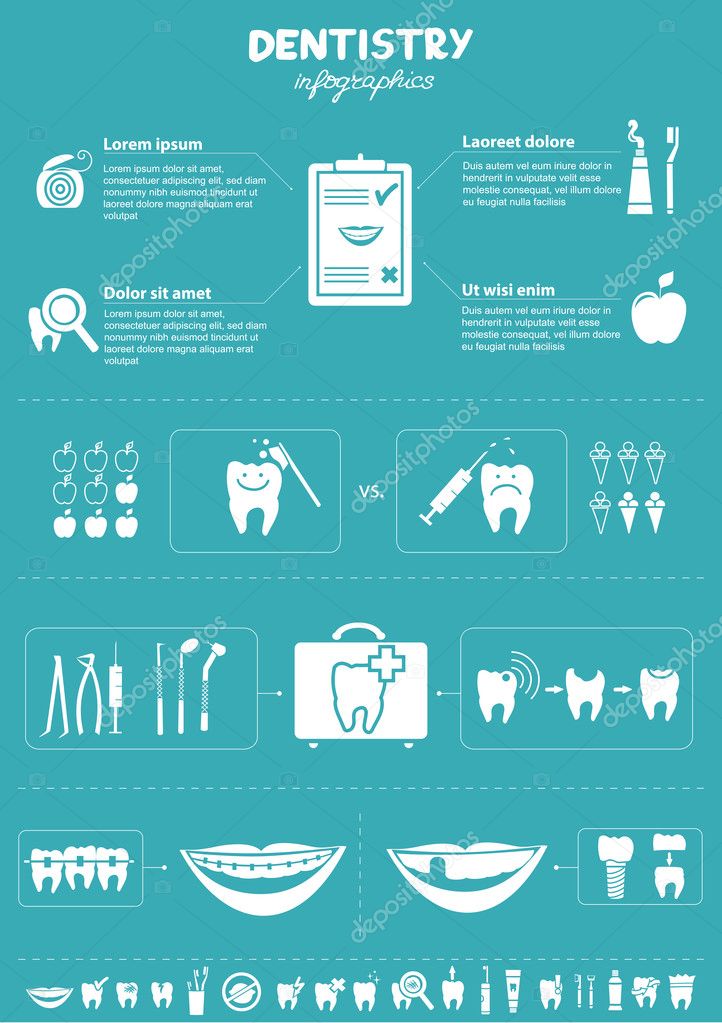
If you have ever suffered from a painful toothache, or had a cavity, you know how important it is to care for your teeth. There is more to proper dental care than just brushing and flossing, though. To really take good care of your teeth, you need to use the following advice.
Make sure you're flossing every day. Brushing and using oral rinses can get rid of the majority of plaques, but it won't get rid of everything. Flossing allows you to ensure you're getting rid of any plaque that's gotten between your teeth. These areas can't be reached by brushing or rinsing so it's important to floss.
If you are 50 or older, use non-alcohol mouthwashes. People that are older usually have sensitive teeth and that can make things sting when alcohol is introduced to them. The best choice is a mouthwash without alcohol that contains fluoride. Use this twice a day to get the best results.
If you are having a hard time brushing your teeth efficiently, you should consider getting an electric toothbrush. These devices are very efficient and will allow you to clean your teeth thoroughly without having to brush vigorously. This is your best option if you have arthritis or if your children do not brush their teeth properly.
Brush your teeth for at least two minutes. If you don't spend enough time brushing, you will not get your teeth clean. You need a full two minutes to brush the front, back, and top of your teeth. You should also brush your gums. Be gentle when brushing your gums.
Do your teeth feel sensitive to very hot or cold temperatures? Find a sensitive teeth toothpaste and make an appointment to see your dentist. The sensitivity could be indicative of an inflamed nerve or a cavity in a tooth. Early treatment of this sort of problem is always a good idea.
Floss at least daily. This ensures bacteria, plaque and food don't get trapped between your teeth. Flossing also has much to do with ensuring your gums stay healthy. Flossing is something you can do in the daytime or at night, but you just have to remember to do it every day.
To maintain dental health, do not neglect proper flossing. If the floss you are currently using is too thin to adequately get between your teeth, try switching to a thicker kind, such as dental tape. Alternatively, you try doubling the strand of floss in order to achieve the desired thickness.
When you visit the dentist every 6 months, you'll find that your dental health is always in check. Your breath will be fresh and clean, your teeth will stay white and gleaming, and your gums won't bleed when you brush. When you care about your oral health, you'll be repaid in spades.
Did you know that the sequence that you eat your foods in can play a role in whether or not you develop cavities? Eating discover this info here as cake alone is much worse for your teeth, than if you eat the cake after a meal. Don't eat sugary foods alone, always eat them with other foods.
There are many different elements that can end up staining your teeth. Coffee, red wine and cigarettes are some of the most common culprits. If you just can not avoid these things, you can drink your coffee and wine through a straw so that it does not hit your teeth. Orthodontist is also helpful to brush your teeth right after smoking.
Try different flosses and flossing methods to find the right one for you. Flossing is not something that people love to do, but it's important to make it into a habit. If regular floss is hard to use on your teeth, try the wax-coated variety or move to a dental stick. There's bound to be a variety that works best for you.
Chew some sugarless gum after each meal. The motion of chewing encourages the production of saliva which works as a wash for your teeth. Any sugars from foods that you have eaten can effectively be washed away. This is a good way to keep your teeth clean between meals if you cannot brush.
If you know that you have a certain issue with your dental health, you should find a dentist that is an expert in that area. If your dentist can not, ask for a referral. If a referral isn't an option, find a specialist who can address your dental issues.
A great number of toothpastes have baking soda as an ingredient. However, never use it by itself to brush. Baking soda can cause erosion to your enamel. And it can cause cavities.
Your dentist may refer you to a specialist for a root canal, extraction or other special procedure. If your dentist refers you to a specialist, pay attention to how you feel in the specialist's office; you may need to ask your dentist for another recommendation if you don't feel you can get adequate care from the specialist he or she referred you to.
If you have problems with your teeth, you may want to know your insurance coverage before jumping right into procedures. With most insurance, you have a limit on how much they will pay in one year. If you have a limit, let your dentist know so that a plan can be created to ensure that your more serious problems get taken care of first.
You should rub your tongue along your teeth every day after you brush them. This is a great way for you to notice any changes, which could lead to you being able to stop a problem before it becomes a bigger one. Anytime you notice a change you can then visit your dentist and get it fixed right away.
Every time your baby eats, use a dampened cloth to wipe his gums. This makes sure the sugars from the milk are removed. The sugars from milk can form plaque when sitting in their mouth. This also helps to establish good dental hygiene habits for your baby.
Could you use the tips you've just read to make things easier on yourself as you figure out how to better take care of your teeth? Sure you could, and they are waiting for you to make those changes. Keep what you've read in mind, and get started with a better plan today.
